During a recent demo, we showed StyleFinder, our inference system that takes a raw author manuscript and transforms it into a fully styled, structured manuscript aligned to a publisher’s specifications.
They were curious. But cautious.
So they asked us to upload a chapter and run it live.
It was not a small file. Fifty pages. Three tables. Four images. Thirty references.
We uploaded the manuscript and initiated StyleFinder.
A small lock appeared next to the file.
To us, that lock meant one thing. The system had taken responsibility.
We moved on with the rest of the discussion.
To us, that felt natural.
To them, it did not.
They stopped us.
“How long will it take?”
“Three to five minutes,” we said. “Depending on the elements and the number of concurrent users. You will receive a notification when it completes.”
They were still looking at the screen.
“How do I know it is running? I am not seeing the manuscript.”
They were not questioning the capability.
They were reacting to something else.
The absence of dependence.
We showed them the notifications. Initiated. Queued. In progress. Completed.
We opened the job dashboard. Every job was visible. Every chapter. Every book. Its exact state.
The system was working.
But it was not asking for attention.
That was unfamiliar.
Then came the question that surprised us.
“How many chapters can one person initiate?”
We paused. Not because we did not know the answer. But because we had never thought of that as a limitation.
“As many as needed.”
“Multiple books?”
“Yes.”
“At the same time?”
They were searching for the boundary.
There was none in the way they expected.
By then, the notification appeared.
Tagging complete.
We opened the manuscript.
Everything was structured. Styled. Tagged.
No one had watched. No one had intervened. No one had waited.
The system had simply accepted the instruction and finished the work.
The conversation changed.
They were no longer evaluating tagging quality.
They were trying to understand how work could continue without them.
So we asked how it worked in their current system.
They answered plainly.
“We start a job. Then we stay there. We watch. We respond if prompts appear. We handle errors if they come up. Only then does it complete.”
Not occasionally.
Every time.
Their system required presence.
Ours required intent.
That was the difference.
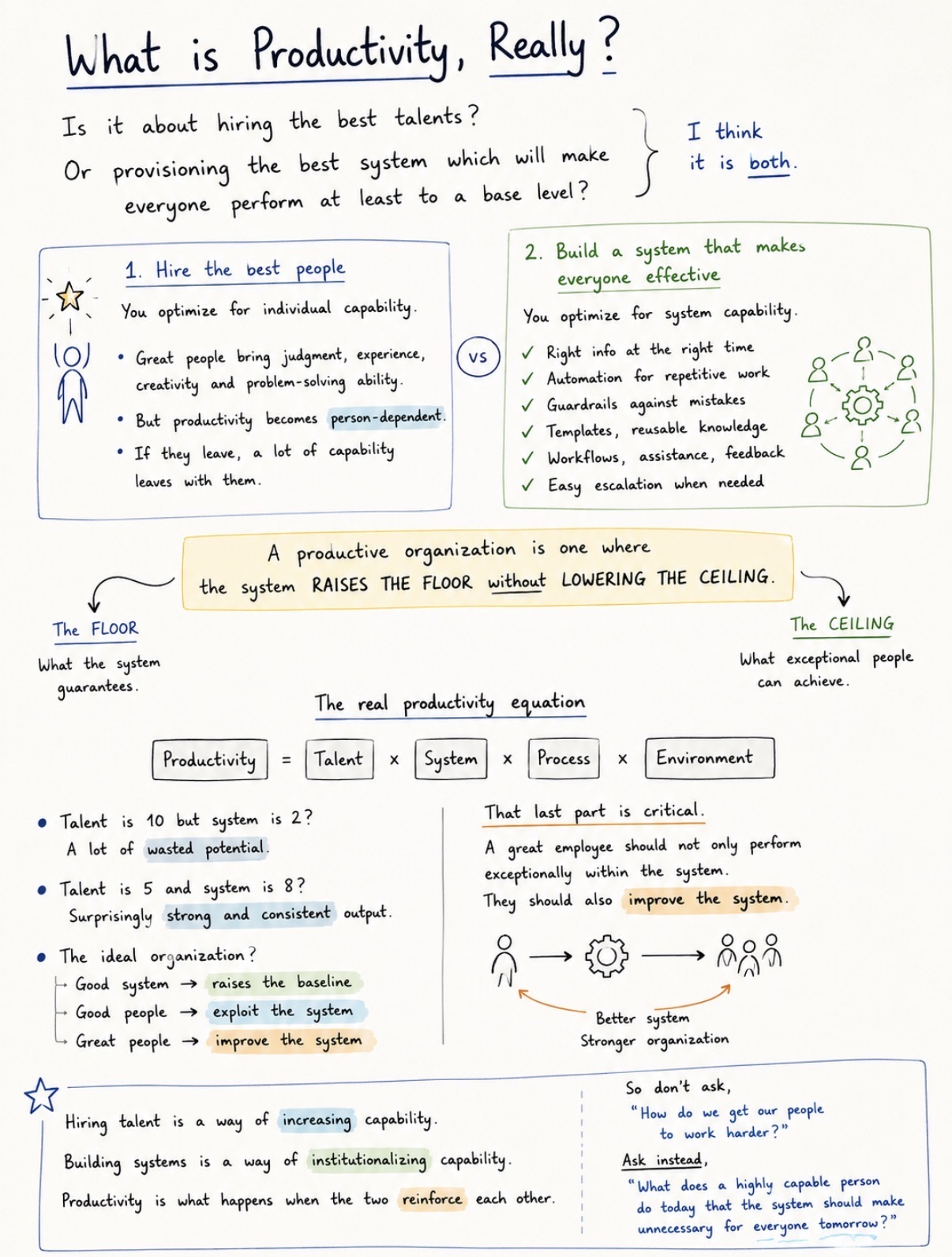
Most technology in publishing is built as a tool. You guide it. You stay with it. You supervise it.
A system behaves differently. You instruct it. It proceeds. It finishes.
Automation is not the ability to start a process.
Automation is the ability for the process to continue without you.
If work stops when you do, then technology is not carrying the workload.
People are.
The most revealing moment in that demo was not the speed.
It was the hesitation before they left the screen.
That moment tells you everything.
Because the hardest part of automation is not building the system.
It is trusting it enough to move on.
Welcome to publishing technology.