Caption
When Sankar joined us, there was no clear role waiting for him.
Not because he lacked ability.
But because he was an accountant.
Publishing production has long carried an implicit assumption about who belongs. XML experience. EPUB familiarity. Years spent navigating schemas, specifications, and production workflows. Sankar came with none of that. What he brought instead was discipline, attention to detail, and a deep comfort with structured thinking.
So we chose curiosity over certainty.
We trained Sankar to tag manuscripts, not as a shortcut, but as a way to understand whether technology could genuinely support people who were not shaped by traditional publishing paths.
We did not begin with small or forgiving content.
Sankar was given monographs of nearly 300 pages. The intention was not speed. It was comprehension. Could the system make the logic of structure visible enough that a motivated person could work confidently within it.
The learning curve was real. Then something shifted.
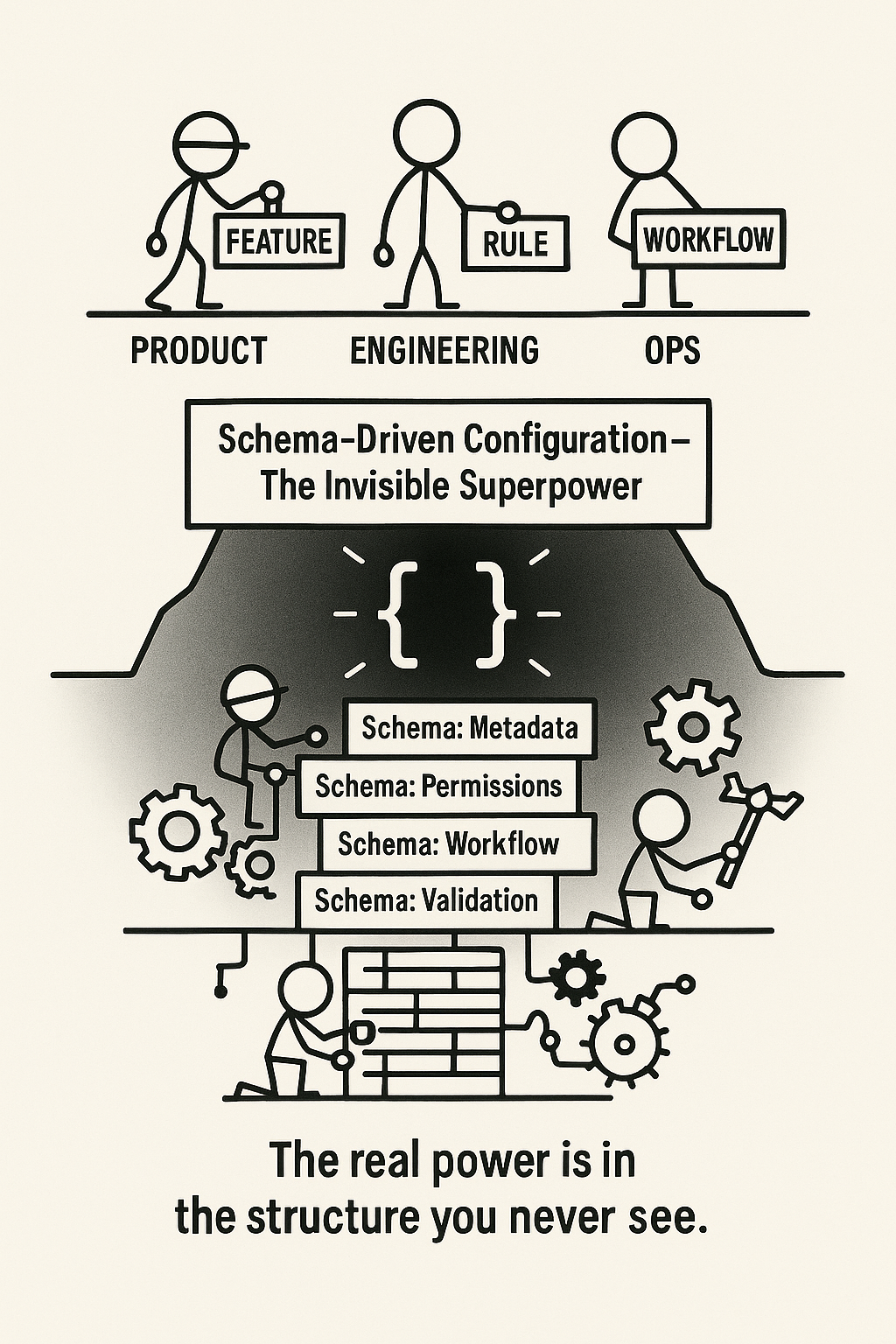
Once Sankar understood the underlying principles, the work stopped feeling technical and started feeling systematic. Tagging became a matter of recognizing intent and applying structure. Soon, a full monograph could be completed in 30 to 60 minutes.
No prior XML training.
No production background.
Just technology making complexity navigable.
What followed was not incremental.
Sankar went on to manage a single account that now produces close to 800 books a year using PageMajik. One person coordinating work that would traditionally require multiple specialized roles.
Not through heroic effort.
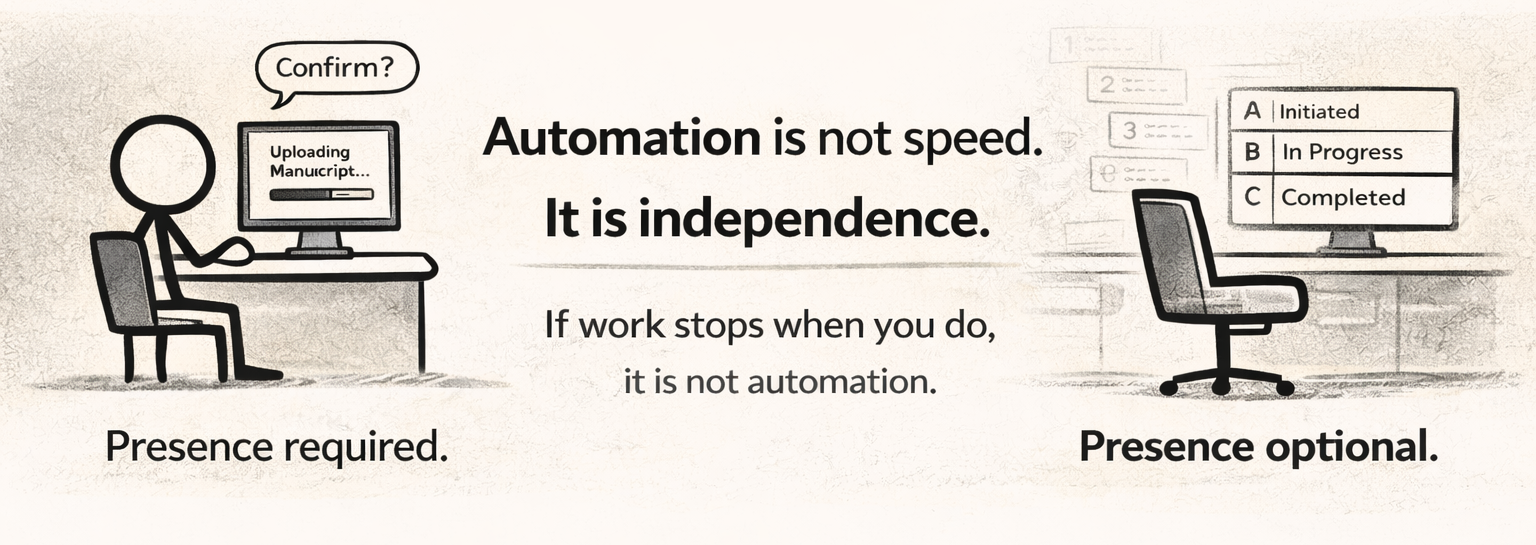
Through consistency, clarity, and a system that did not fight the user.
That success led us to the next step.
EPUB production is often where publishing draws a firm boundary. Validation rules, strict requirements, and opaque errors make it a space reserved for specialists.
Sankar did not know EPUB standards. He did not understand the technical language behind many validation messages. What he did have was an EPUB validator that translated those requirements into clear, actionable feedback.
Using it, he resolved validation issues, corrected errors, and ensured delivery timelines were met. The EPUBs shipped as expected. Deadlines were honored. The process remained calm.
At that point, a larger question became unavoidable.
Are we proud of Sankar? Without question. He brought focus, accountability, and care to everything he touched.
But the deeper reflection is about what made this possible.
Is this a story about an individual stretching beyond their background?
Or about technology expanding who is allowed to succeed in publishing production?
Because this is not a story about removing skilled roles. It is about removing unnecessary barriers.